40" Rows:
Broadcast:
Sandy:
Loam:
Clay:
High
High
High
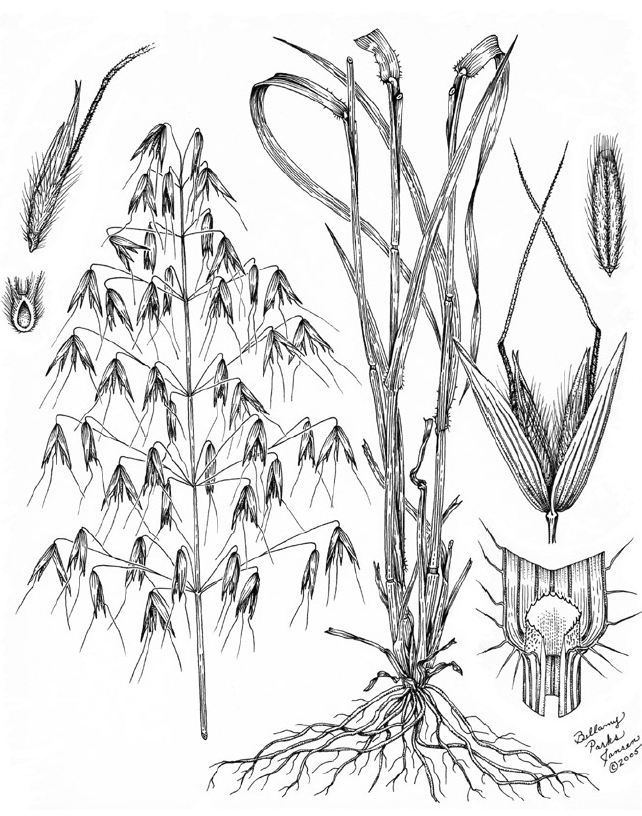
Habit: 		Annual.
Culms: 		30-75 cm. tall, erect, in small tufts, stout, glabrous.
Blades: 	Flat, 10-30 cm. tall, 4-8 (15) mm. wide, numerous, scabrous.
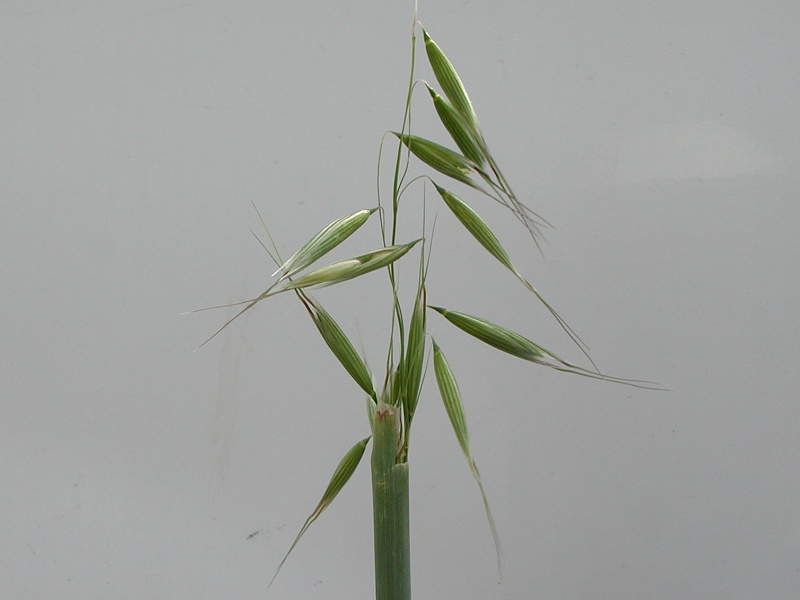
Inflorescence: 	Panicle loose and open, 10-30 cm. long, the slender branches
                ascending or spreading bearing relatively few, but large spikelets.
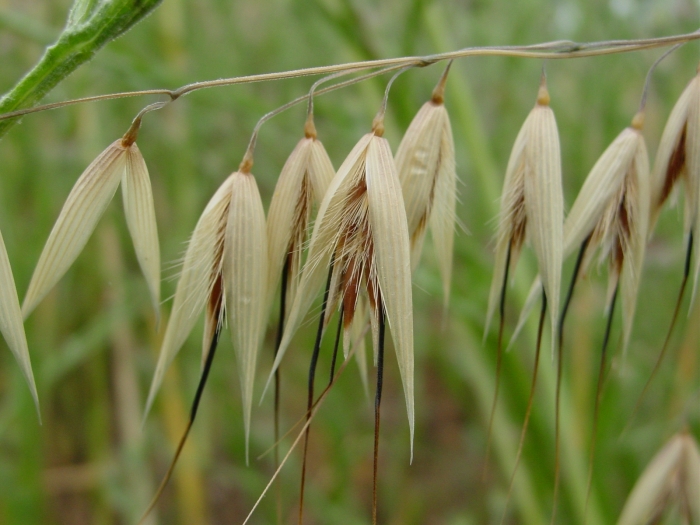
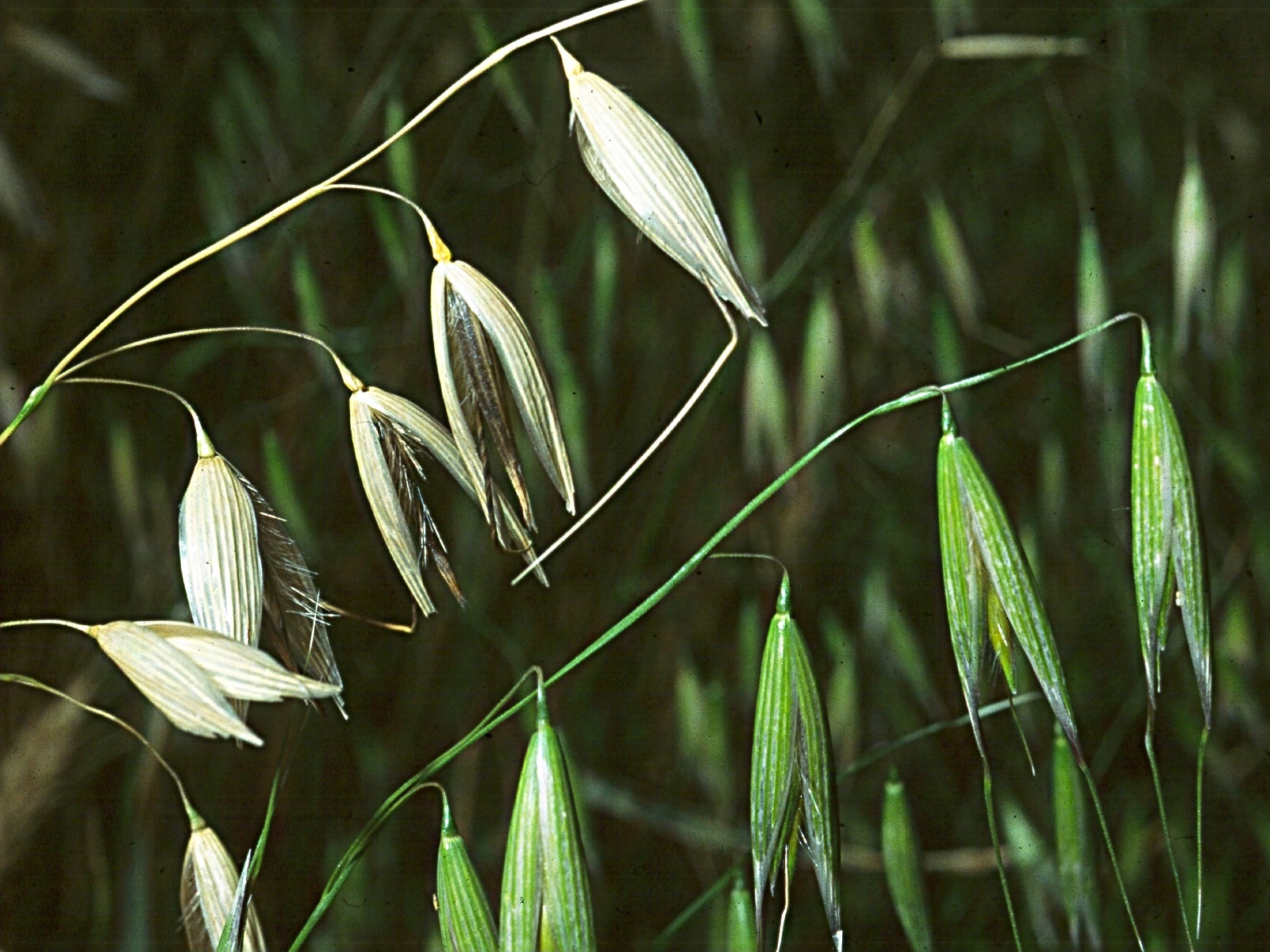
Spikelets: 	Usually large, pendulous, usually 3-flowered, the rachilla bearded
                (hairs normally stiff and brown) below the florets, disarticulating
                above the glumes and between the florets.
Glumes: 	2-2.5 cm. long, smooth, membranous, usually exceeding the
                uppermost florets, smooth, striate, acuminate, subequal, many-nerved.
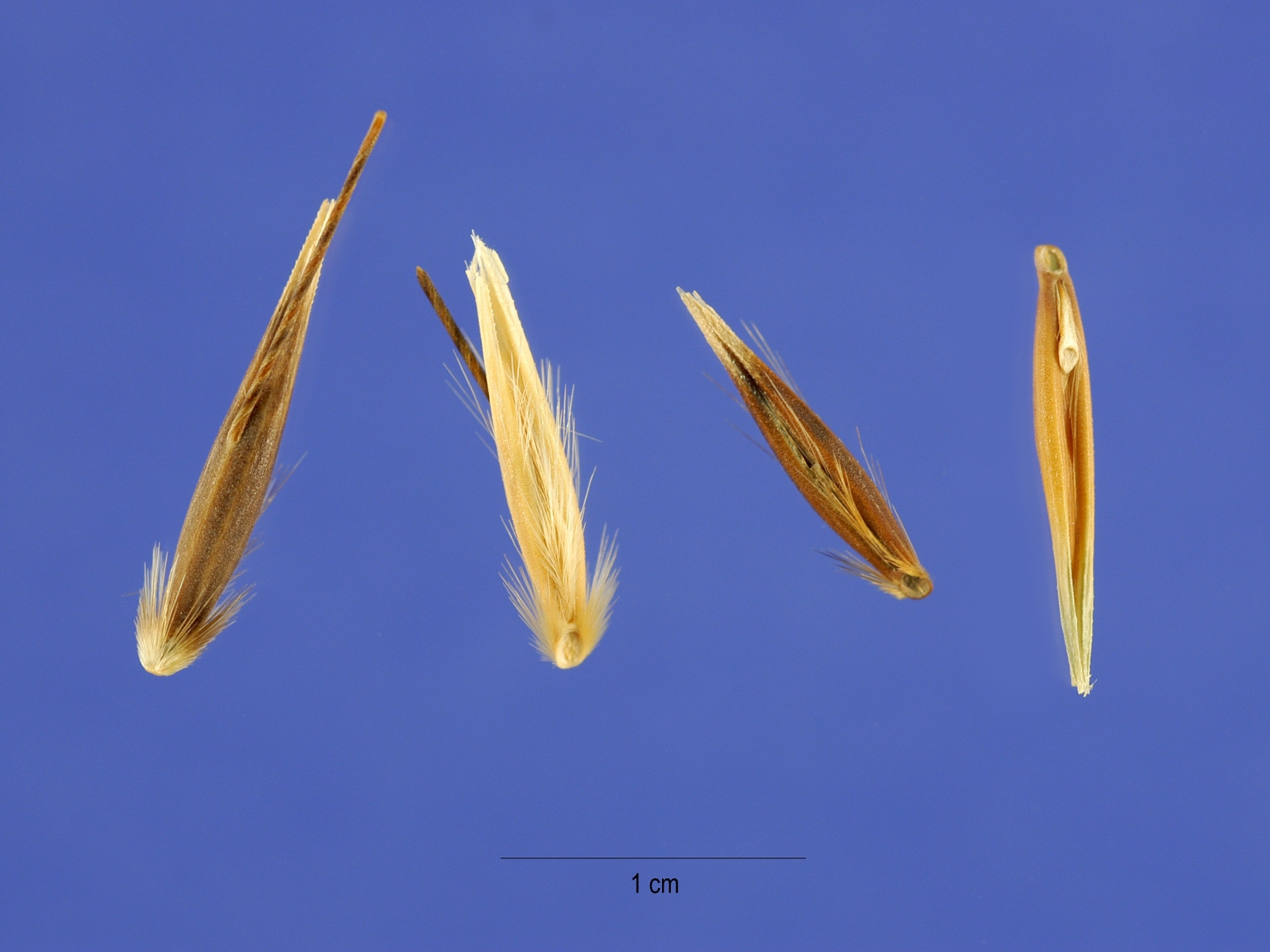
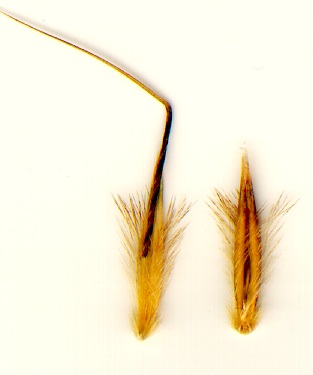
Lemmas: 	12-18 mm. long, in the typical form the rachilla and lower part of
                lemma usually covered with long brown or sometimes whitish hairs;
                5-9-nerved, rounded on the back, nerved above, the apex frequently
                shortly 2-toothed, bearing a dorsal twisted and geniculate awn,
                3-4 cm. long, the upper empty ones or those enclosing staminate
                flowers awnless.
Palea: 		2-cleft or 2-toothed, narrow.
Fruit: 		Grain deeply furrowed, usually pubescent, often adhering to the
                lemma and palea.
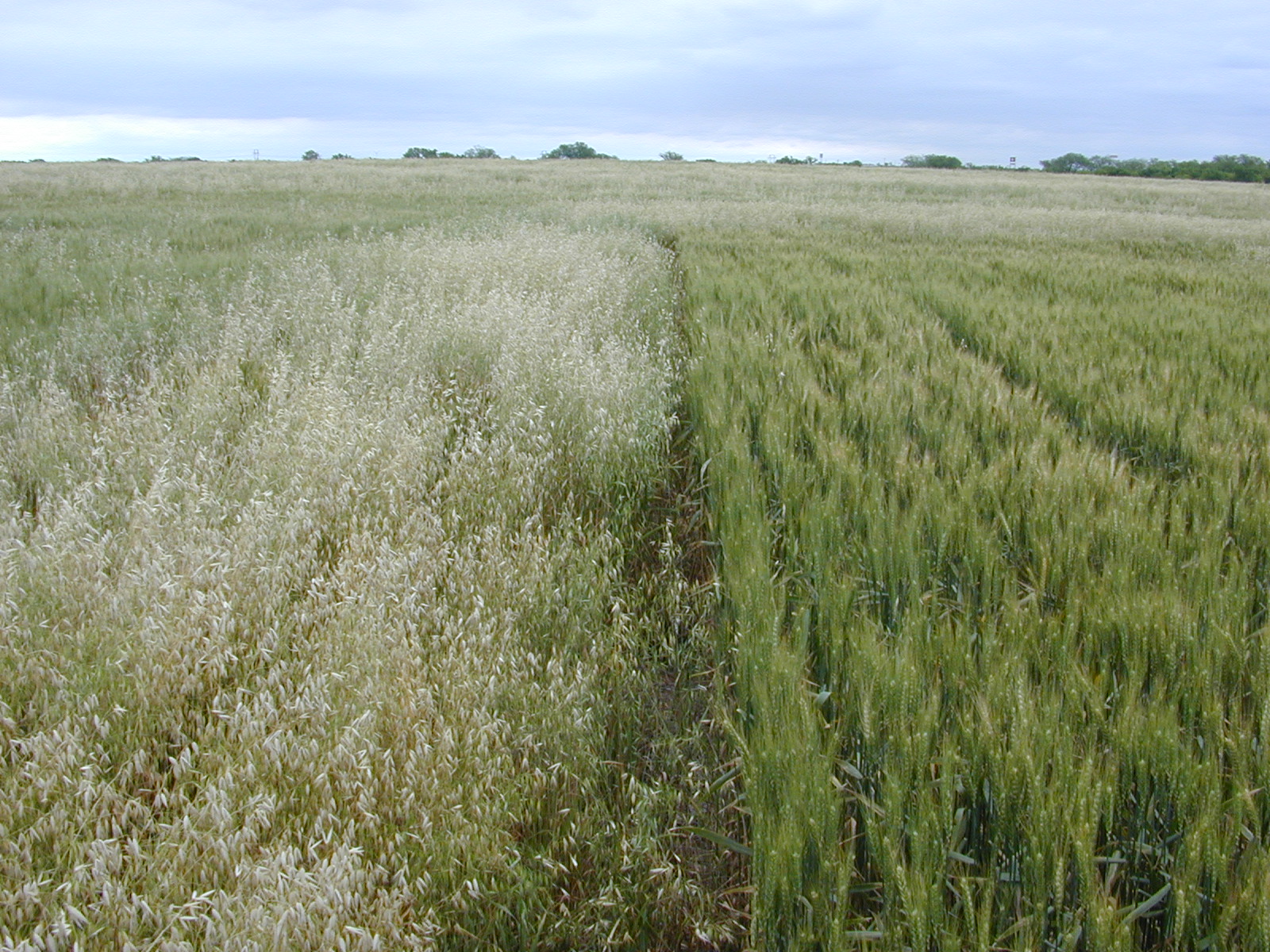
Habitat: 	Fields and waste places.
Remarks: 	Grain field weed.
Synonyms:	Avena fatua L. var. glabrata Peterm.
		Avena fatua L. var. vilis (Wallr.) Hausskn.
		Avena hybrida Peterm. ex Reichenb. p.p.
Special Notes: